Thinking about life in Phoenix’s desert communities but not sure what daily routines really look like? You are not alone. The sun shapes schedules here, and locals learn simple habits that make the lifestyle rewarding year-round. In this guide, you will see how people plan their days in summer and winter, how neighborhoods feel, what getting around looks like, and practical tips that make life easier from day one. Let’s dive in.
What a typical day feels like
Summer rhythm
Hot days are normal in Phoenix from late spring through early fall, so most outdoor time happens early and late. Many people walk dogs before sunrise, hit a trail near 6 a.m., or enjoy a quick swim before work. Midday is for air-conditioned spaces like home, the office, gyms, shops, and indoor play spots. Evenings bring patio time with misters, pool dips, and short sunset walks.
Winter rhythm
Winter is mild and comfortable. You can plan coffee on a patio, midday hikes, and outdoor markets from late morning to late afternoon. Golf, biking, and neighborhood strolls are common all day. Social calendars pick up with festivals, sporting events, and outdoor concerts, especially from fall through spring.
Outdoor life and recreation
Morning hikes and nearby trails
You will see a strong morning-hike culture across the city. Popular spots include Camelback Mountain, Piestewa Peak, South Mountain Park, and the Phoenix Mountains Preserve. Trail traffic is heaviest in cooler months and early mornings in summer. Keep hikes short and start early when temperatures climb.
Water, pools, and shade
Pools, splash pads, shaded pergolas, and covered patios are part of daily life. Many homes and communities prioritize shade structures, misters, and covered parking. On weekends, some residents plan water time at nearby lakes or seasonal tubing on the Salt River.
Safety basics outdoors
- Hydrate often, wear sun protection, and plan early start times in summer.
- Learn monsoon season signs and avoid low-lying washes after storms.
- Stay aware of desert wildlife and pests; simple checks around shoes, garages, and pool areas are routine.
Neighborhood vibes and trade-offs
Urban core energy
Central and downtown Phoenix areas like Roosevelt Row, the Arts District, and Midtown offer walkable dining, coffee, and cultural spots. You will find condos and apartments that pair city energy with shorter commutes. It suits you if you value walking to restaurants, galleries, and light rail stops.
Arcadia, Biltmore, Camelback Corridor
These neighborhoods blend established streets, popular restaurants, and easy trail access. You will see mature landscaping and a mix of home styles. Daily life includes quick drives to hiking, brunch on shaded patios, and convenient retail nearby.
North Phoenix and foothills
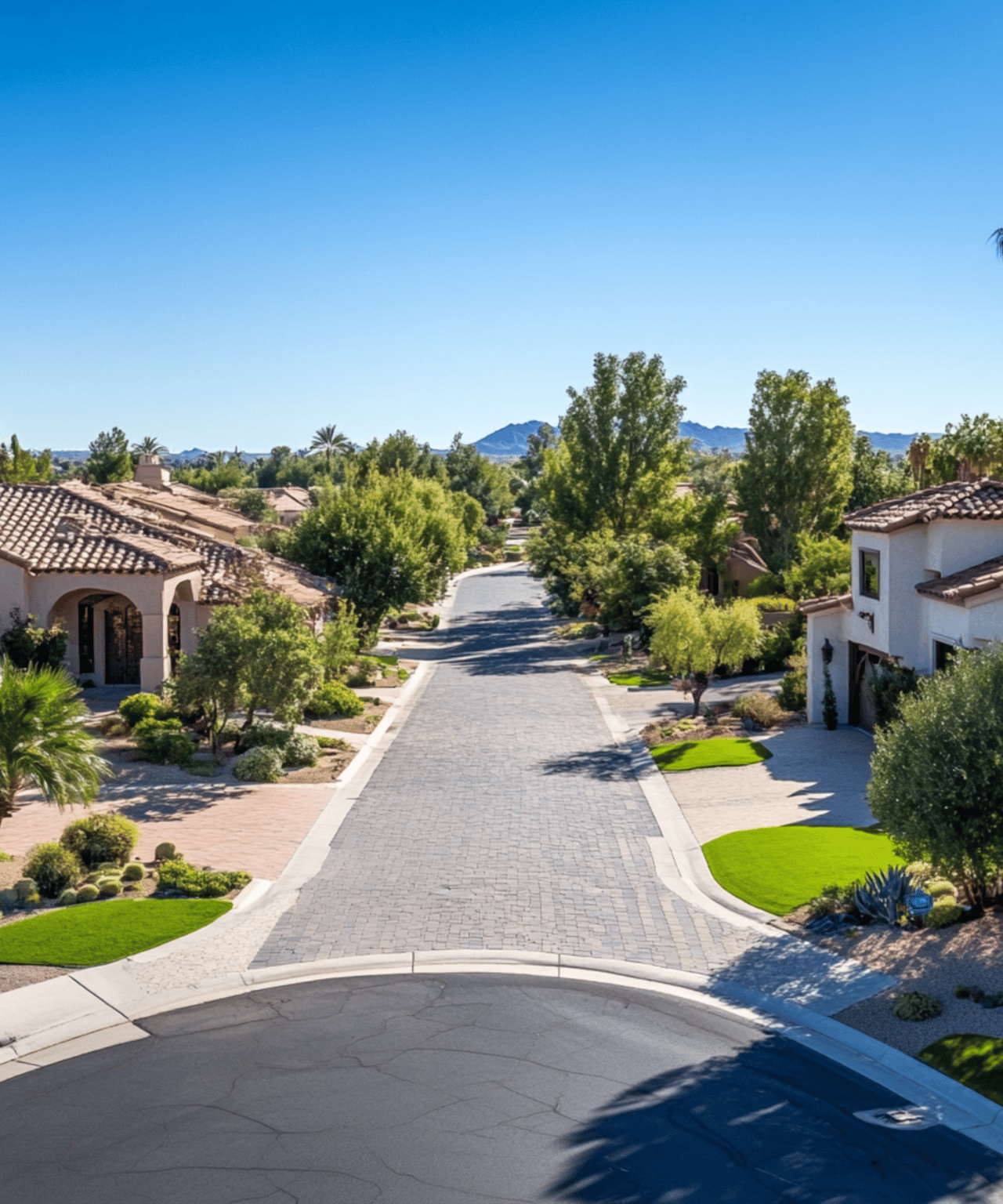
Near the Scottsdale border and up toward Cave Creek, you will find more space and a high share of desert landscaping. Golf communities and semi-rural pockets shape the pace of life. Outdoor routines center on early hikes, neighborhood loops, and sunset views.
South and West Valley
These areas offer a variety of single-family neighborhoods and larger master-planned communities. Many residents choose them for housing options and everyday convenience. Commute times depend on job location and freeway access.
Ahwatukee, Chandler, and Tempe
South and southeast communities offer local retail clusters, parks, and established neighborhoods. You will find a mix of commuters, students, and professionals. Daily rhythms vary by workplace, with some people using light rail connections around Tempe.
Getting around and daily logistics
Driving and commute corridors
Phoenix is car-oriented, and most residents rely on private vehicles for work, errands, and school. Expect traffic on I-10, Loop 101, and Loop 202 during peak hours. Commute length depends on your neighborhood and job location, so proximity to freeway access is a common priority.
Transit options
Valley Metro runs bus routes across much of the metro. The light rail links downtown Phoenix, Tempe, and parts of Mesa. It can be practical for certain central routes and ASU connections, though many suburban commutes remain car-based.
Biking and walking
Bike infrastructure is growing. Downtown Phoenix and Tempe offer more options for cyclists and pedestrians. Foothill and suburban zones vary, so many residents use bikes for recreation and choose cars for daily errands.
Travel access
Phoenix Sky Harbor International Airport is a major hub with frequent flights. Seasonal residents appreciate the easy travel options for family visits and second-home routines.
Homes built for desert living
Common home features
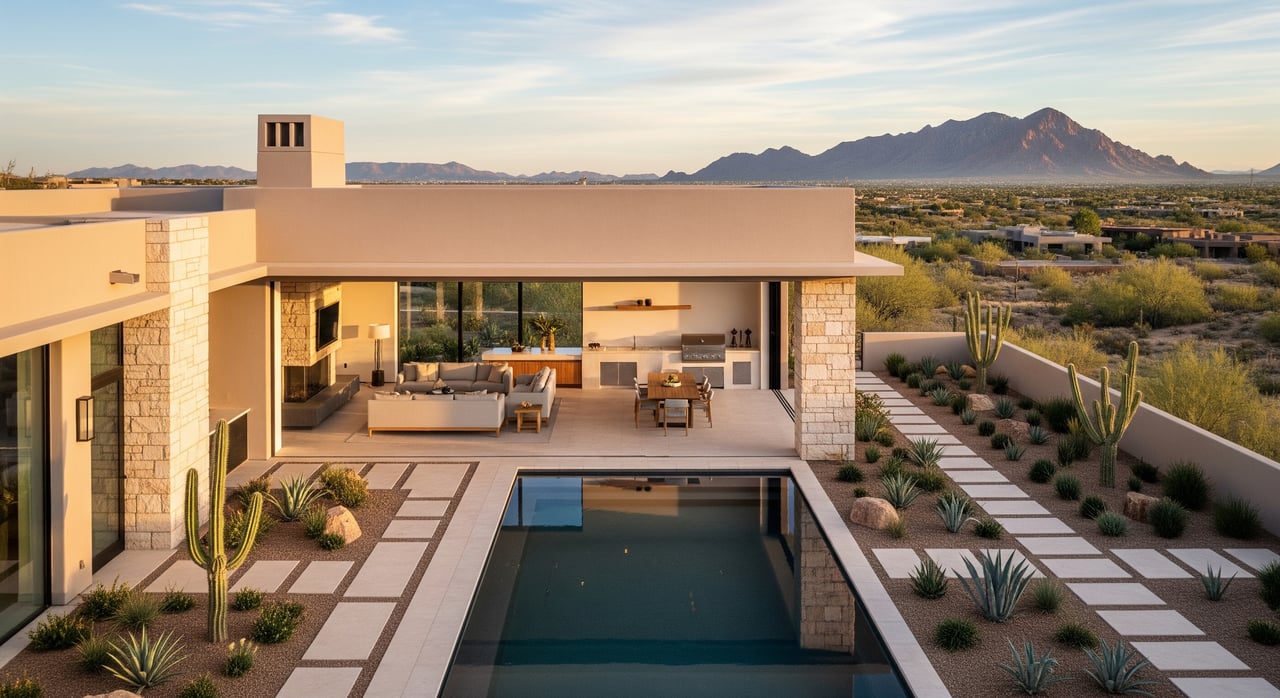
Most homes include central A/C, garages, and durable flooring like tile or stone. Covered patios extend living space into mornings and evenings. Shaded windows, efficient HVAC systems, and smart thermostats help manage comfort and costs.
Landscaping and water
Xeriscaping, gravel yards, and drought-tolerant plants reduce maintenance. Many homeowners use drip irrigation and add shade trees to cool patios and windows. Water conservation is a visible everyday practice across the region.
Seasonal residents and rentals
Short-term and seasonal rentals are common in winter months. Snowbird season brings more activity at restaurants, golf courses, and community events. Neighborhood programming often expands to match the influx.
Food, culture, and community
Dining and patios
You will find strong Sonoran and Mexican food traditions, a growing chef-driven scene, and a lively brunch culture. Patio dining is the star of fall through spring, with misters and shade helping during warm evenings. Food trucks and rooftop spots add to the mix.
Arts and events
In the city core, you can explore galleries and regular art walks, plus museums and venues for music and theater. Many major festivals and civic events run in cooler months, shaping weekend plans for locals and seasonal visitors.
Seasonal population rhythms
From November to April, more people arrive for sunshine and events. Expect busier restaurants, tee sheets, and social calendars. Summer shifts activity indoors or later in the evening, which opens space at pools, gyms, and local attractions.
Newcomer tips that make life easier
Utilities and energy
- Prioritize efficient A/C and good insulation when home shopping.
- Use programmable thermostats and shade to manage summer costs.
- Run big appliances during off-peak times when possible.
Health and safety
- Plan outdoor time early or late in summer, and keep extra water in your car.
- Learn monsoon season basics, including dust storms and flash-flood areas.
- Keep simple wildlife and pest habits: tidy yards, sealed entry points, and routine checks.
Services and everyday conveniences
- Most neighborhoods have retail clusters for groceries, gyms, and dining.
- Grocery delivery and curbside pickup are widely used, especially in summer.
- Phoenix hospitals and specialty centers are accessible across the metro.
Is Phoenix right for you?
Everyday life in Phoenix desert communities is about smart timing and simple habits. You trade midday summers for glorious winter living, sunrises on the trail, and evening patio time with friends. If you are weighing neighborhoods, commute trade-offs, or home features that fit your lifestyle, local guidance will help you move with confidence.
If you want a clear, step-by-step plan for your move, our team is ready. We pair warm, responsive service with proven systems used by 715 families and counting, with $392M+ in sales and a top 1% Maricopa County ranking. From curated home tours to staging, contracts, and post-close support, we make each step predictable and stress-light. Connect with Colleen Olson to start a tailored Phoenix plan that fits your routines and goals.
FAQs
How do people enjoy outdoor life in Phoenix summers?
- They shift activity to early mornings and evenings, use pools and indoor recreation, and plan higher-elevation day trips on the hottest days.
Is living in Phoenix realistic without a car?
- Some central neighborhoods and light-rail corridors help, but most residents rely on cars for commuting and everyday errands.
What home features matter most for desert living?
- Efficient A/C, good insulation, shaded outdoor spaces, and low-water landscaping make a big difference in comfort and costs.
How does monsoon season affect daily routines in Phoenix?
- You watch for dust storms and localized flooding, avoid washes after rain, and plan travel with visibility and storm timing in mind.
What should newcomers know about utilities and energy costs?
- Summer electricity bills can be higher, so efficient HVAC, smart thermostats, and shade strategies help manage monthly expenses.
How does the seasonal population change everyday life in winter?
- Restaurants, golf courses, and events are busier from roughly November through April, while summer feels quieter outdoors but active indoors.