If you're looking for a place that feels private, scenic, and deeply connected to the desert, Paradise Valley stands out right away. You may be drawn to the mountain views, larger homesites, or the idea of living near top resorts while still enjoying a quieter residential setting. This guide will help you understand what Paradise Valley living really looks like, from estate-style homes to outdoor lifestyle and long-term character. Let’s dive in.
What Defines Paradise Valley Living
Paradise Valley is a small, low-density town in the Phoenix metro area with a 2025 population estimate of 12,774 across 15.4 square miles, according to the Town of Paradise Valley basic facts page. That scale shapes the experience of living here. Instead of dense development, you find more space between homes, open views, and a quieter rhythm.
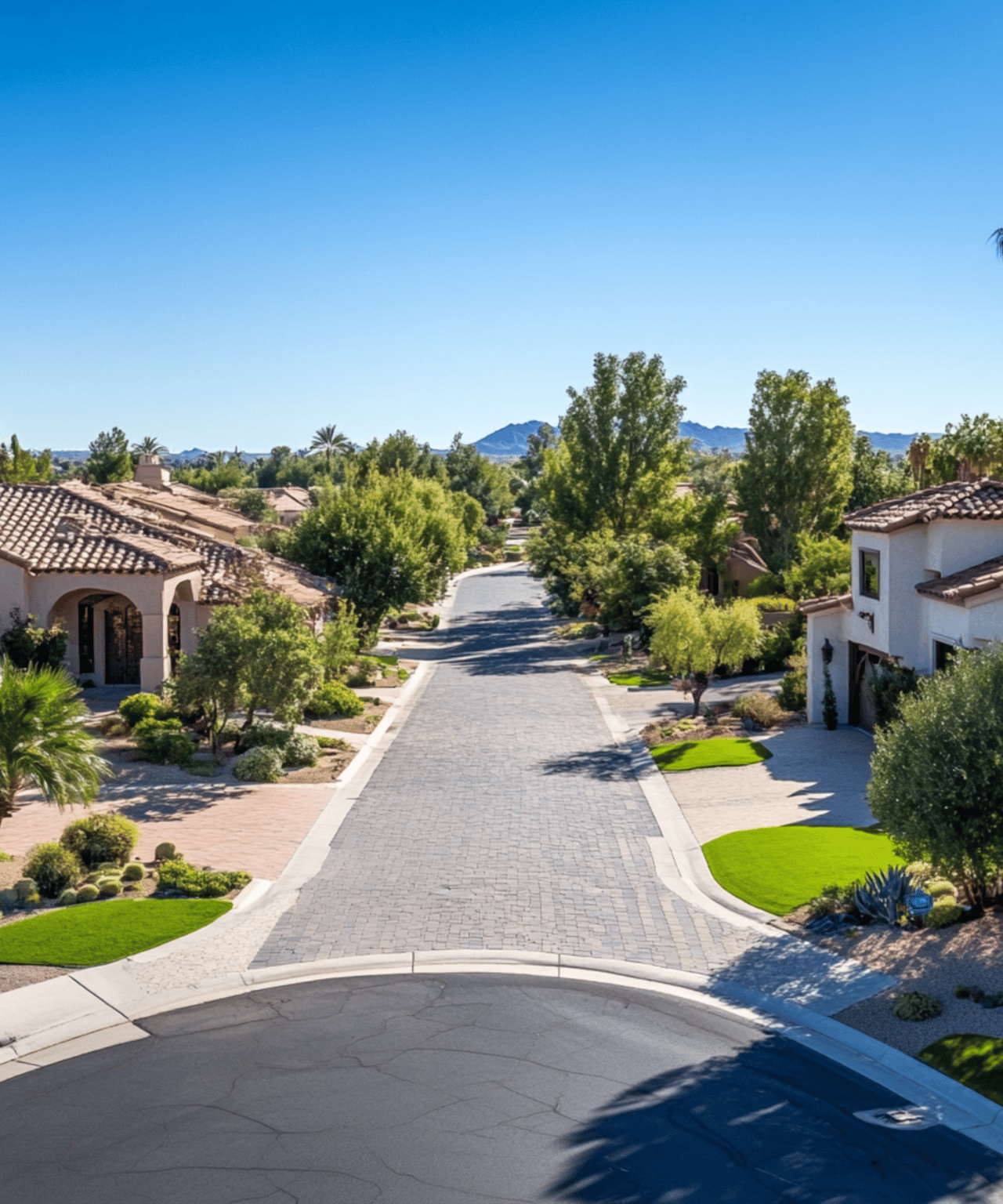
The town describes itself as a desert oasis framed by Camelback Mountain, the Phoenix Mountain Preserve, and the McDowell Mountains. In the 2022 General Plan, Paradise Valley is described as a semi-rural residential community focused on preserving privacy, quiet, dark skies, open space, and mountain views. For many buyers, that balance of separation and convenience is the main appeal.
Why Estate Living Feels Different Here
Paradise Valley has a long history of estate-scale residential planning. The town was incorporated in 1961 after residents pushed to preserve a one-house-per-acre minimum and maintain an entirely residential identity, as noted in the town history overview. That early vision still shapes the market today.
Most of the town is zoned R-43, which generally means at least one acre per home, according to the resident guide. The General Plan also shows that low-density and very-low-density residential uses make up about 68.5% of the planning area. In practical terms, that means Paradise Valley often feels more like a collection of desert estates than a typical suburban neighborhood.
Larger Lots Shape Daily Life
In Paradise Valley, larger parcels do more than change the look of the streetscape. They often create more separation between homes, more room for outdoor living, and wider visual access to the surrounding landscape. That physical space is a big part of what gives the town its calm, retreat-like feel.
Because the area developed around one- to five-acre parcels, the layout reads differently from newer master-planned communities. You are more likely to notice long driveways, deeper setbacks, mature desert landscaping, and homes positioned to take advantage of mountain views. The result is a lifestyle centered on space, privacy, and setting.
Infill Matters in a Built-Out Town
Paradise Valley is landlocked and largely built out, so much of today’s change comes through infill and redevelopment, according to the 2022 General Plan. That makes thoughtful planning especially important. Town policies focus on preserving visual openness, native desert landscaping, hillside character, and view corridors.
For you as a buyer or seller, that means Paradise Valley’s appeal is not just about individual properties. It is also about the broader framework that protects the town’s visual identity. Limits on lot coverage, setbacks, heights, and construction impacts all support that long-term character.
The Desert Estate Lifestyle
Paradise Valley living is closely tied to the Sonoran Desert climate and landscape. The town reports 294 sunny days per year, 7.3 inches of rainfall, and no snowfall, with an average July high of 104°F and an average January low of 35.9°F. That kind of weather naturally shapes how people use their homes and outdoor spaces.
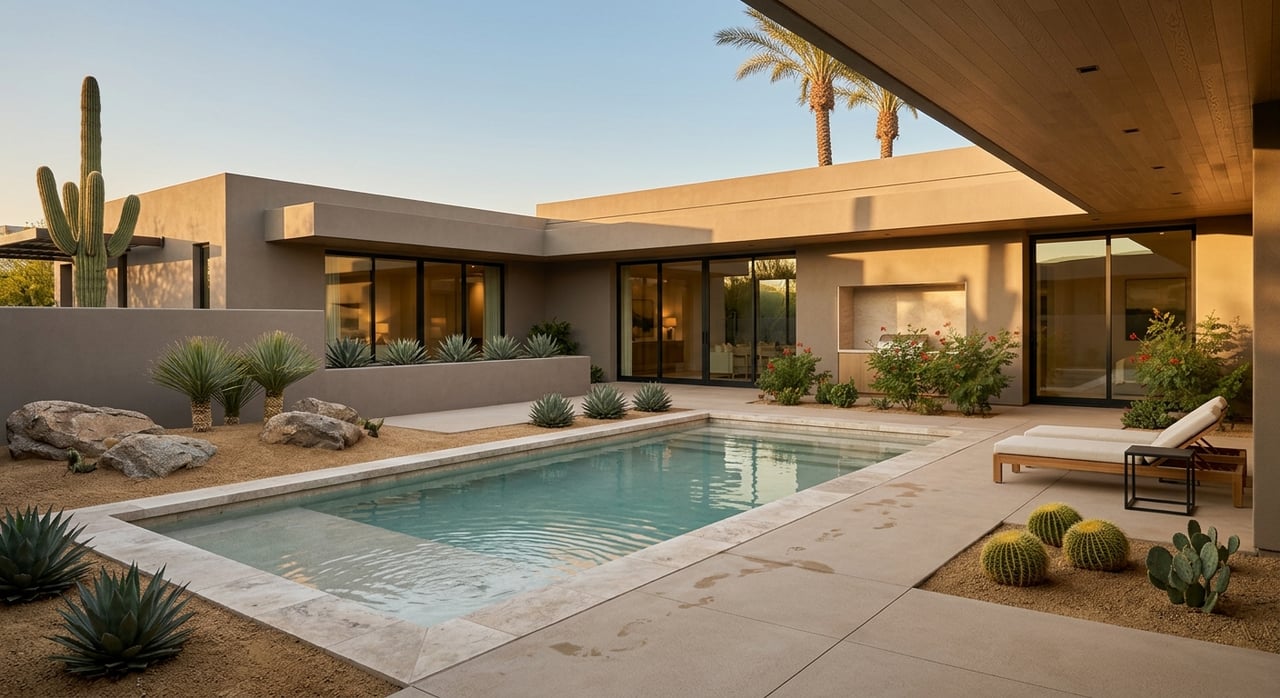
Instead of a four-season backyard routine, the lifestyle here often leans into pools, patios, shaded courtyards, golf, and evening outdoor living. Desert landscaping, mountain backdrops, and broad skies are not just visual features. They are part of how everyday life feels in Paradise Valley.
Outdoor Living Is Part of the Home
Many buyers exploring Paradise Valley are looking for a home that lives well beyond its interior walls. Larger lots and sunny weather support outdoor spaces designed for relaxing, entertaining, and enjoying the setting. In this market, the property experience often includes the approach to the home, the privacy of the yard, and the way the house connects to the desert around it.
The town’s planning priorities reinforce that connection. The General Plan emphasizes preserving native desert character and open views from public rights-of-way. That means the broader environment often feels intentional and consistent, which adds to the sense of place.
Quiet Recreation, Not Constant Activity
Paradise Valley’s outdoor lifestyle is active, but generally low-impact. The General Plan highlights walking, hiking, biking, and horseback riding, and it identifies unpaved or undeveloped rights-of-way as public open space. It also notes direct access to the Arizona Canal Trail and nearby regional trail networks.
That matters if you want outdoor access without a busier, park-heavy atmosphere. Paradise Valley tends to support a quieter kind of movement through the landscape. You can enjoy the desert setting in ways that feel close to home and connected to the region.
Resort Access Without Giving Up Privacy
One of the most distinctive parts of Paradise Valley is how it combines residential quiet with a strong resort presence. The town lists 9 resorts, 3 golf courses, 11 schools, 4 medical centers, and 14 places of worship on its basic facts page. The visiting pages also highlight well-known destinations such as Camelback Inn, Mountain Shadows, Omni Montelucia, Sanctuary Camelback Mountain, Hermosa Inn, and DoubleTree/Hilton.
For residents, this creates a lifestyle that feels both tucked away and well supported. You can enjoy a mostly residential setting while remaining close to dining, spa services, golf, and hospitality amenities that are part of the town’s everyday environment. That combination is one reason Paradise Valley continues to attract buyers looking for a refined desert lifestyle.
A Residential Base With Regional Reach
Paradise Valley is not isolated from the rest of metro Phoenix. The town’s attractions page points to short drives for arts and culture, professional sports, shopping, desert hiking, golf, and spa experiences. If you want easy access to regional amenities without living in a denser urban core, this location offers that middle ground.
The General Plan reinforces this idea by describing a community that protects its residential identity while still benefiting from nearby metropolitan resources. For many buyers, that means you can enjoy a more private home environment without feeling disconnected from the broader Scottsdale and Phoenix area.
Why Paradise Valley Feels So Quiet
Paradise Valley’s atmosphere is not accidental. Town planning is designed to discourage regional cut-through traffic, and the General Plan says most local roadways are intended to carry no through traffic movement. That policy approach helps preserve the slower pace many residents value.
When you drive through Paradise Valley, the difference often shows up in what you do not experience. There is less of the constant flow associated with higher-density areas. Combined with larger lots, open desert views, and a residential-only foundation, that planning choice helps the town feel more like a retreat.
Preservation Shapes the Experience
Paradise Valley places a strong emphasis on preserving natural landscape and scenic character. The Paradise Valley Mountain Preserve Trust exists to preserve desert plants, wildlife, natural landscape, and scenic beauty. The town says the trust controls about 320 acres atop Mummy Mountain.
The General Plan notes that Mummy Mountain is actively preserved and has no public access. That detail reflects a broader local priority: protecting open space and mountain views rather than maximizing activity everywhere. If you are drawn to Paradise Valley, chances are that preservation ethic is part of what you are responding to.
What Buyers Should Keep in Mind
If you are considering a move to Paradise Valley, it helps to understand that this is a lifestyle-driven market. Buyers are often choosing it for lot size, privacy, mountain views, desert character, and proximity to resort-level amenities. The value is not only in the house itself, but in the town’s long-standing approach to land use and preservation.
It is also helpful to think about how you want to live day to day. Do you want a quieter home base with outdoor living space, room to spread out, and close access to dining, golf, and trails? If so, Paradise Valley offers a setting that is distinct within Maricopa County.
What Sellers Should Understand
If you are selling in Paradise Valley, your home is part of a larger story about setting and lifestyle. Buyers are not just evaluating square footage or finishes. They are also paying attention to privacy, lot presence, landscaping, mountain orientation, and how the property fits the estate character of the town.
That is why clear positioning matters. When a home is marketed in a way that reflects Paradise Valley’s true appeal, it can connect more directly with buyers looking for this specific desert estate experience.
If you are thinking about buying or selling in Paradise Valley, Colleen Olson offers full-service guidance with local insight, thoughtful strategy, and a people-first approach designed to make your move feel clear and well supported.
FAQs
What is Paradise Valley known for in Arizona?
- Paradise Valley is known for low-density residential living, estate-scale homesites, mountain views, resort access, and a strong focus on privacy, open space, and desert character.
What makes Paradise Valley different from other Phoenix-area communities?
- Paradise Valley was shaped by one-house-per-acre planning, remains largely residential, and uses policies that protect quiet streets, visual openness, and a slower-paced feel.
What is the outdoor lifestyle like in Paradise Valley?
- The outdoor lifestyle in Paradise Valley centers on walking, hiking, biking, horseback riding, golf, pools, patios, and evening outdoor living shaped by the Sonoran Desert climate.
Are there resorts and amenities in Paradise Valley?
- Yes, Paradise Valley includes 9 resorts, 3 golf courses, dining, spa options, and convenient access to regional arts, shopping, sports, and recreation.
Is Paradise Valley a good fit if you want privacy?
- Paradise Valley is often appealing to buyers who want more space, larger lots, fewer through-traffic patterns, and a residential setting designed to preserve privacy and quiet.